



The COVID crisis has placed a sharp focus on how we occupy and use offices. People will now work less from the office and will be less willing to undertake long commutes. This increased employee fluidity is bringing flexible parking/flex parking to the fore.
What is flexible parking? Does my employer need it? How can my company roll it out?
Table of Contents
ToggleWhat is flexible parking?
The simplest description of flex parking is hot-desking for parking spaces. It’s a relatively new approach to employee parking management.
Improving software over the last few years has made flex parking possible at scale. Leading employers like Indeed.com & CBRE were among industry titans to adopt this approach. The COVID crisis of 2020 has seen a massive acceleration in the uptake of this approach.
Why office parking is broken?
Traditionally office parking has worked in one of two ways.
i) Fixed Parking Spaces – key staff were guaranteed fixed parking spaces at work.
ii) First Come, First Served – whoever got to work first was guaranteed a parking space.
Both of these approaches had very clear limitations.
By using fixed parking spaces, companies were failing to cater for the inevitable. Employees being out of office.
“The average senior employee pre-COVID spent 30% of their time at meetings, working from home or on holidays. This left a lot of empty parking spaces which went to waste while other employees were in need.”
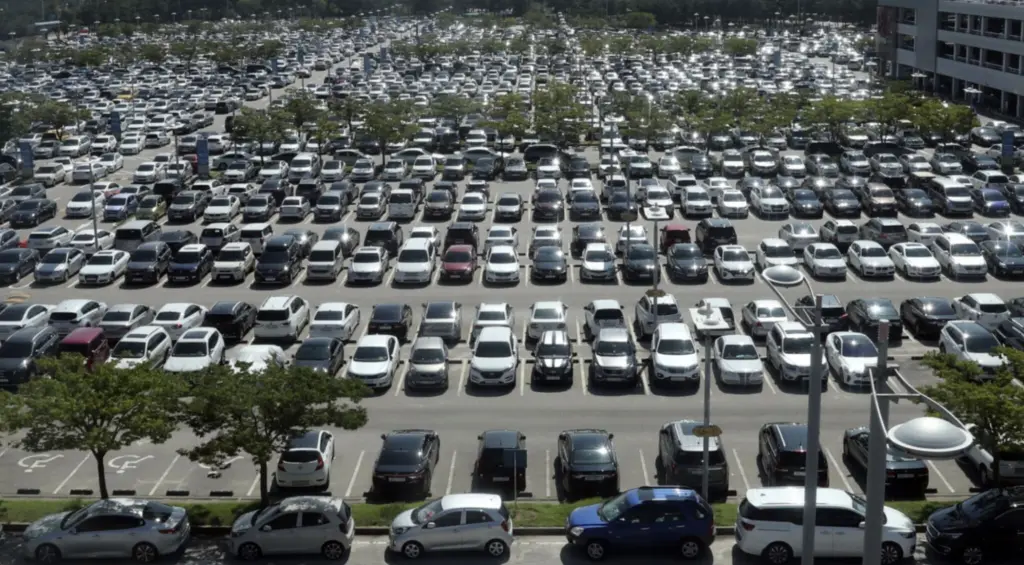
Meanwhile first come, first served systems were chaotic, unfair and promoted car usage. Staff could never predict if parking was available at work. As a result they would take the car with the hope of space being available. On days when space was in short supply there would be serious congestion around the office as workers cruised looking for spare space.
Then COVID came along and sped up the rate of change. Fixed approaches don’t work anymore due to the increased fluidity of workers. While chaotic first come, first served doesn’t give employees the certainty they need to plan safe journeys to the office.
How does flexible parking work?
Flex parking uses technology to allocate parking to staff in real-time based on their needs.
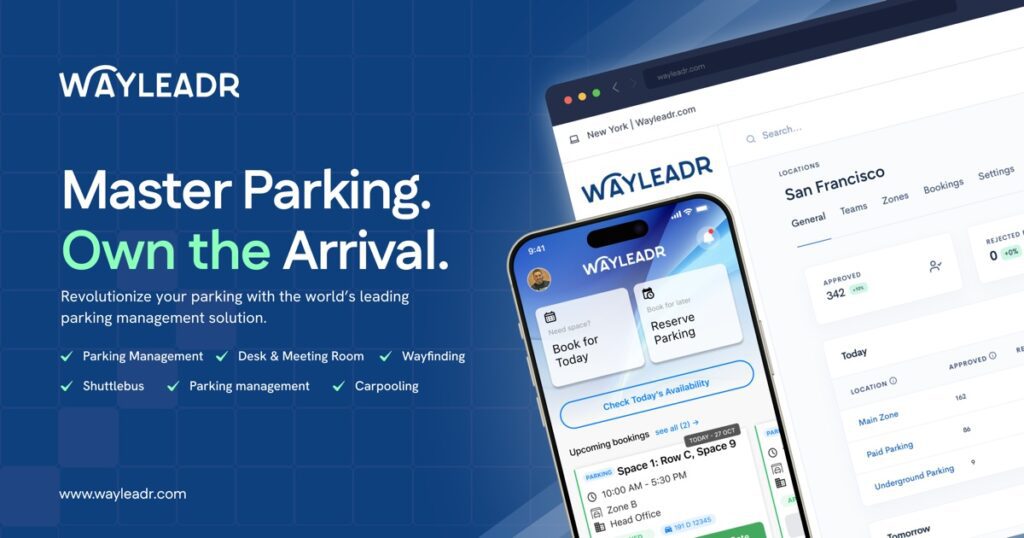
Leading software providers like Wayleadr gather employee parking needs on a daily or weekly basis. In cases where demand outstrips supply, Wayleadr runs the parking requests through a company specific algorithm. The algorithm can weight staff based on seniority, health issues, distance to travel and a whole host of other factors.
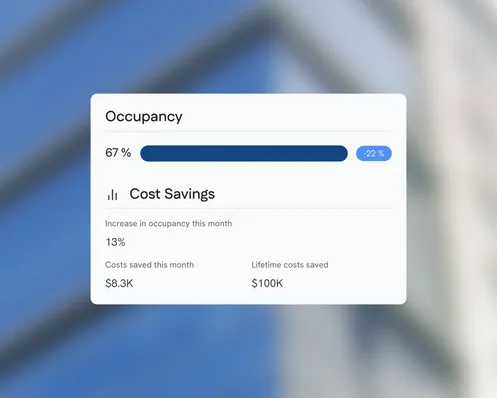
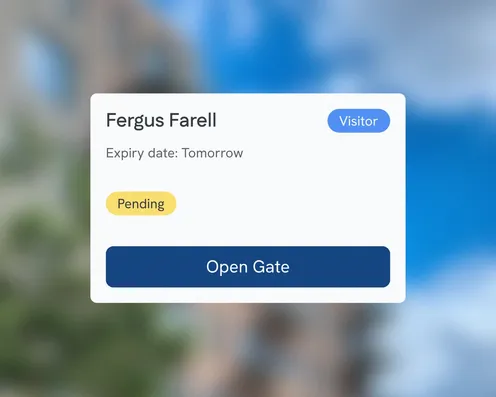
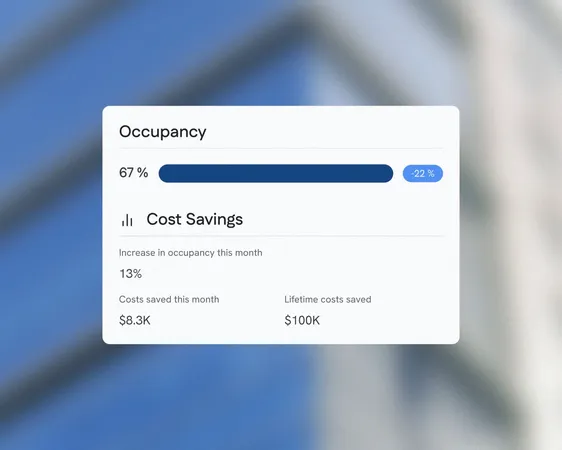
Staff are then notified if parking has been allocated to them for the dates in question. In the click of a button companies can increase parking availability by up to 40% without any painful admin.
Does my company need flexible parking?
There are massive benefits to this approach to employee parking management. If you’re worried about any of the following issues, flexible parking will be just the tonic.
– Running out of parking spaces due to massive spikes in employee demand post-COVID.
– Racking up expensive real estate bills for parking spaces which may never be used.
How can my company roll out flexible parking?
Rolling out flexible parking can be done manually but it’s not advisable. Market-leading solutions like Wayleadr’s parking management software can do more in a millisecond than the human brain can in a working week.
Looking for some real-life examples? Check out how companies like Colliers International, Version 1 & Ayre Chamberlain Gaunt have streamlined their parking.
Parking causing issues? Join industry leaders from companies like Sanofi, Indeed.com & CBRE, schedule a demo with Wayleadr.com today and solve your parking problems in the click of a button.
The booking system is the foundation of flexible parking. See our guide to parking booking systems for how it works.
Flexible parking sits on a spectrum with allocated parking. Our guide to allocated parking compares the approaches.
Frequently Asked Questions
What is flexible parking?
A system where parking spaces aren’t permanently assigned. Instead, employees book spaces on the days they commute, and unused spots are automatically released for others. It’s the parking equivalent of hot-desking.
Why do hybrid workplaces need flexible parking?
Fixed assignments waste 30-50% of spaces when attendance varies daily. Flexible parking matches supply to actual demand — the same lot serves more employees without adding a single space.
How do you transition from assigned to flexible parking?
Start with a pilot team or floor, set clear booking rules, communicate the why (fairness, efficiency), provide training on the booking tool, and measure utilization for 4-6 weeks before expanding. Expect pushback from people who had premium assigned spots.