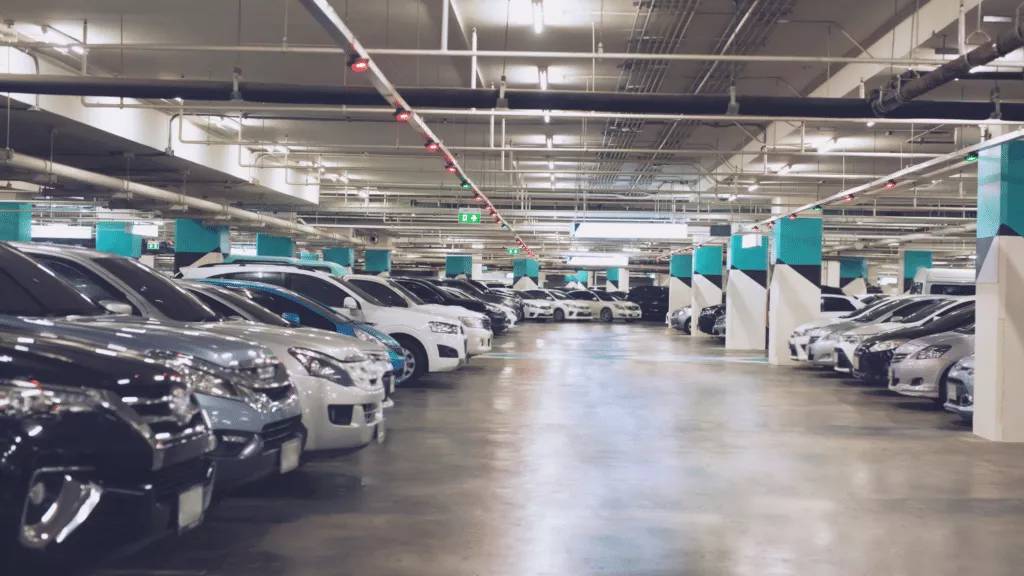
Urban environments continually grapple with the challenge of accommodating an ever-increasing number of vehicles in restricted spaces. Multi-level parking lots have become innovative solutions, maximizing space efficiency and redefining urban parking. Thus, the importance of multi-level parking lot management has increased tenfold in recent years.
This blog explores effective strategies for managing these complex structures, ensuring safety, convenience, and sustainability.
1. Embracing Innovative Design and Technology
Innovative Design for Efficient Space Utilization
Multi-level parking structures require thoughtful design to maximize space while ensuring user safety and convenience. Key elements include efficient vehicle circulation paths, ample lighting, and clear signage.
Advanced Technology for Enhanced User Experience
Incorporating technologies like automated parking systems, sensor-based guidance systems, and app-based reservation systems is crucial. These tools improve user experience and operational efficiency.

2. Integrating Smart Parking Solutions
With the global parking management system market estimated at US$5.6 billion in 2024, implementing IoT devices and AI tools can optimize space availability and guide drivers to open spots. Modern parking management software combines these technologies into a single platform, providing real-time occupancy tracking across every floor. This technology is not only a convenience but also a significant revenue generator.
3. Implementing Dynamic Pricing and Gateless Technologies
Adapting parking fees based on demand through dynamic pricing can help maximize revenue and manage lot occupancy. Gateless technologies, including license plate recognition systems, reduce wait times and congestion, thereby enhancing the driver experience.
4. Optimizing Space and Supporting Sustainability
Sustainable Design Choices
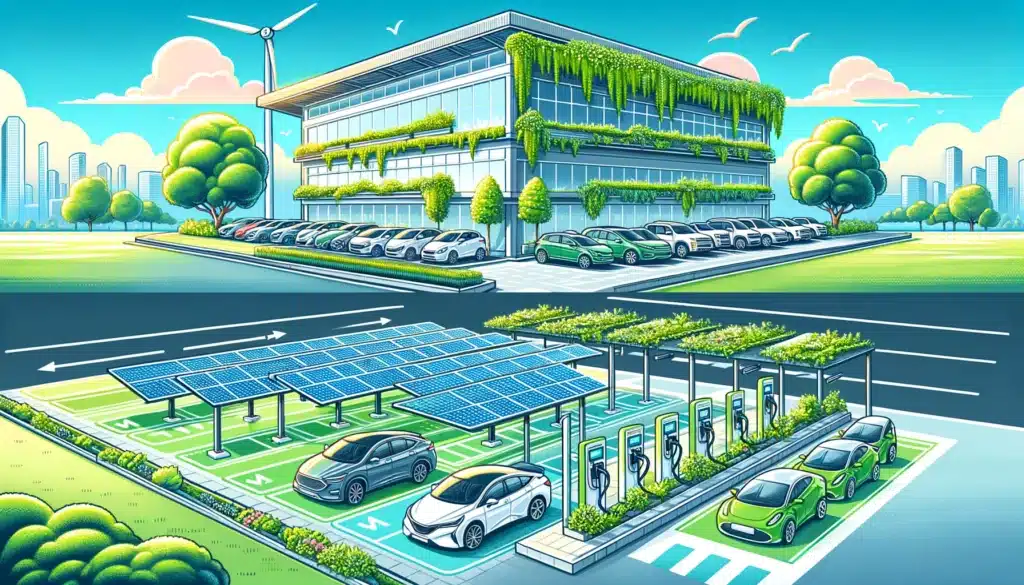
Optimizing parking layouts and incorporating green technologies like green roofs, solar panels, and EV charging stations can significantly reduce environmental impact.
Encouraging EV Integration
With the rising number of electric vehicles, integrating EV charging stations is essential. This not only caters to modern needs but also supports environmental sustainability.
Partnering with Parking Management Companies
Companies like Wayleadr can optimize the use of multi-level parking spaces through advanced parking lot management software. This ensures a smooth and efficient parking experience.
Multi-level parking lots are more than a solution to space constraints; they represent a forward-thinking approach to urban development. By incorporating smart technologies, sustainable practices, and efficient management, these structures set a new standard for urban infrastructure, addressing current needs and preparing for future demands.
Reach out to us for a personalized consultation and explore how our expertise can transform your parking lot. Contact us today and take the first step towards a better arrival experience for your workplace.
Multi-level lots amplify the efficiency challenge. Our guide on maximizing parking space management efficiency covers the principles that apply across any lot type.
Level-based allocation is a form of zoning. For a deeper look at allocation strategies, see our guide to allocated parking for businesses.
Frequently Asked Questions
How do you manage a multi-level parking lot?
Level-based allocation (assign teams or permit types to specific floors), real-time occupancy displays per level, wayfinding signage to available spaces, and load balancing that distributes vehicles evenly to prevent congestion on popular floors.
What technology helps manage parking garages?
Occupancy sensors per level, digital signage showing available spaces, LPR cameras at entry/exit, and a management platform that ties it all together with booking, allocation, and analytics.
How do you reduce congestion in parking garages?
Stagger arrival times, assign levels by schedule (early arrivals to lower floors), implement real-time vacancy displays so drivers don’t cruise full levels, and use a booking system so employees know their level before arriving.